
 See My Latest Article on HelloNation
What Distinguishes Over-the-Counter from Prescription Medications?
Both over-the-counter (OTC) and prescription medications help manage common health concerns for families and individuals around Azle, TX. The key difference is accessibility and level of regulation: OTC drugs are available without a healthcare provider’s order, while prescriptions require approval from a licensed practitioner.
For local households, this means OTC options can be picked up during routine errands, while prescriptions require a visit to a medical office or clinic first. This difference affects how residents manage minor illnesses versus more serious conditions that need professional oversight.
Why Are Some Medicines Only Available by Prescription?
Prescription status protects individuals by ensuring certain drugs are taken only under medical supervision. Medicines classified this way may:
- Pose higher risks of side effects or misuse
- Require personalized dosing or close monitoring
- Treat conditions needing a precise diagnosis
Examples include antibiotics, blood pressure meds, and certain pain relievers. In Azle, local regulations align with state and national laws to enforce these requirements for everyone’s safety. This helps prevent problems like antibiotic resistance or medication errors.
What Kinds of Drugs Can I Buy Without a Prescription?
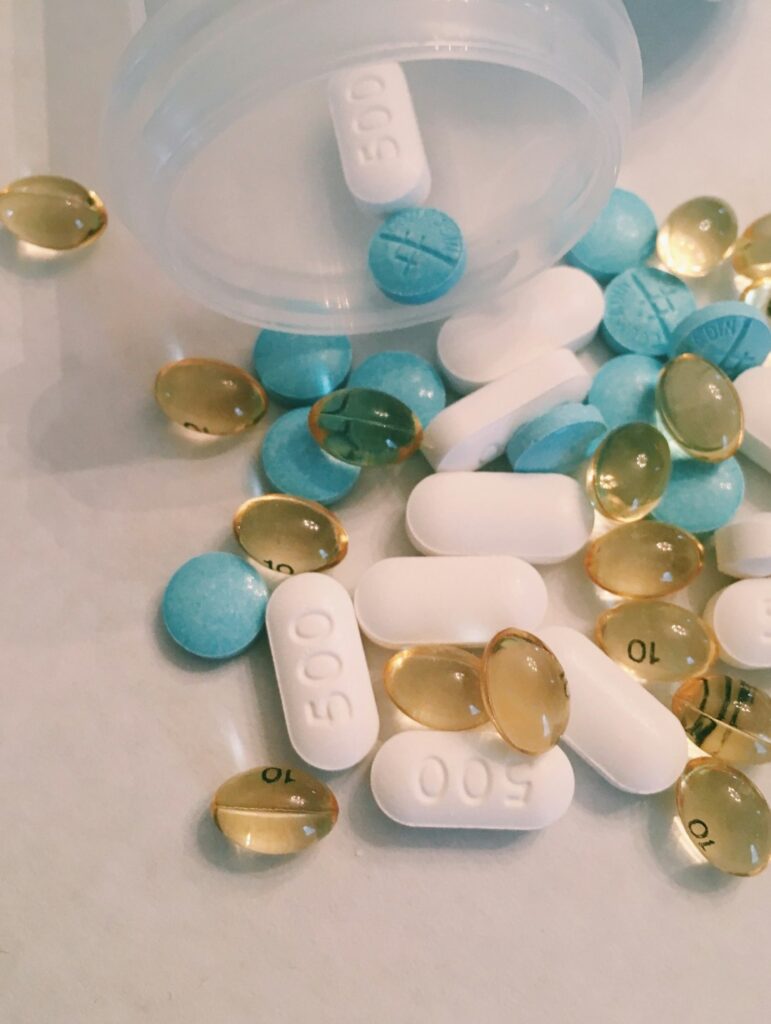
OTC drugs treat a range of everyday issues, including:
- Minor aches and pains
- Allergies
- Coughs and colds
- Heartburn and indigestion
- Mild skin irritations
These medicines are judged safe and effective for most people when used as directed. However, they are not risk-free. It’s common for people in Azle’s community to keep basics like acetaminophen, ibuprofen, and allergy tablets in their medicine cabinets. Still, reading labels and understanding dosages is crucial, especially for children or older adults.
Are OTC Medications Always Safer?
Not always—OTC status does not mean there are no risks. Taking more than the recommended dose, combining with alcohol or certain foods, or mixing multiple medications can lead to problems like:
- Drowsiness or dizziness (important if driving on local roads)
- Stomach upset or ulcers
- Liver or kidney strain
- Harmful interactions with other drugs
Azle households, like those elsewhere, sometimes assume familiar products are harmless. But even common painkillers or cold remedies can be dangerous for people with chronic health issues or those taking specific prescriptions.
How Does the Approval Process Differ for Each Type?
The Food and Drug Administration (FDA) reviews all medicines for safety and effectiveness, but prescription drugs undergo a stricter evaluation process, including:

- Clinical trials on specific populations
- Requirements for doctor monitoring and dosage adjustments
- Detailed safety warnings
OTC remedies must also meet rigorous standards, but they generally have a long history of safe use and instructions that ordinary users can follow independently. Changes in regulations occasionally move medicines from prescription-only to OTC (known as “switching”) if they are deemed safe for wider unsupervised use.
What Should Area Residents Know About Medication Storage and Disposal?
Safe storage and disposal help prevent accidental misuse, especially with curious children in single-family homes or multi-generational households. Tips include:
- Store medicines in original containers out of reach of children and pets
- Avoid leaving medicines in bathrooms with fluctuating temperatures and humidity (common in Azle homes during hot Texas summers)
- Never share prescription drugs, even if symptoms seem similar
Disposal boxes may be available through designated community programs or special collection events overseen by local authorities to keep the water supply and environment safe.
Can I Rely on OTC Medicines for All My Health Needs?
Many minor conditions can be managed at home, but persistent symptoms—such as fever lasting more than a few days, unexplained pain, or difficulty breathing—require professional medical attention. Delaying proper care can worsen outcomes. Some ailments, such as severe allergies or infections, often need prescription treatments to resolve effectively.
Local residents should also be cautious about using multiple products containing the same ingredient (often acetaminophen or ibuprofen), as this can increase the risk of overdose.
What Are Common Misconceptions Among Local Residents?
A frequent assumption is that if one type of OTC product works, more must be better, or that mixing several different cold or pain remedies is harmless. People also sometimes believe “natural” or “herbal” remedies sold without a prescription are always safe and free of drug interactions, which isn’t necessarily true. Checking ingredient labels and consulting medical resources helps prevent avoidable problems.
How Can Residents Stay Informed About Medication Choices?
Many resources provide reliable, impartial guidance. Public health websites, consumer medication guides, and pharmacists all offer trustworthy information on safe medicine use. Keeping an updated, easily accessible list of all medications used by yourself and your family supports safer management at medical appointments or if emergencies arise, particularly during travel or severe weather events that may affect access in and around Azle.