

 See My Latest Article on HelloNation
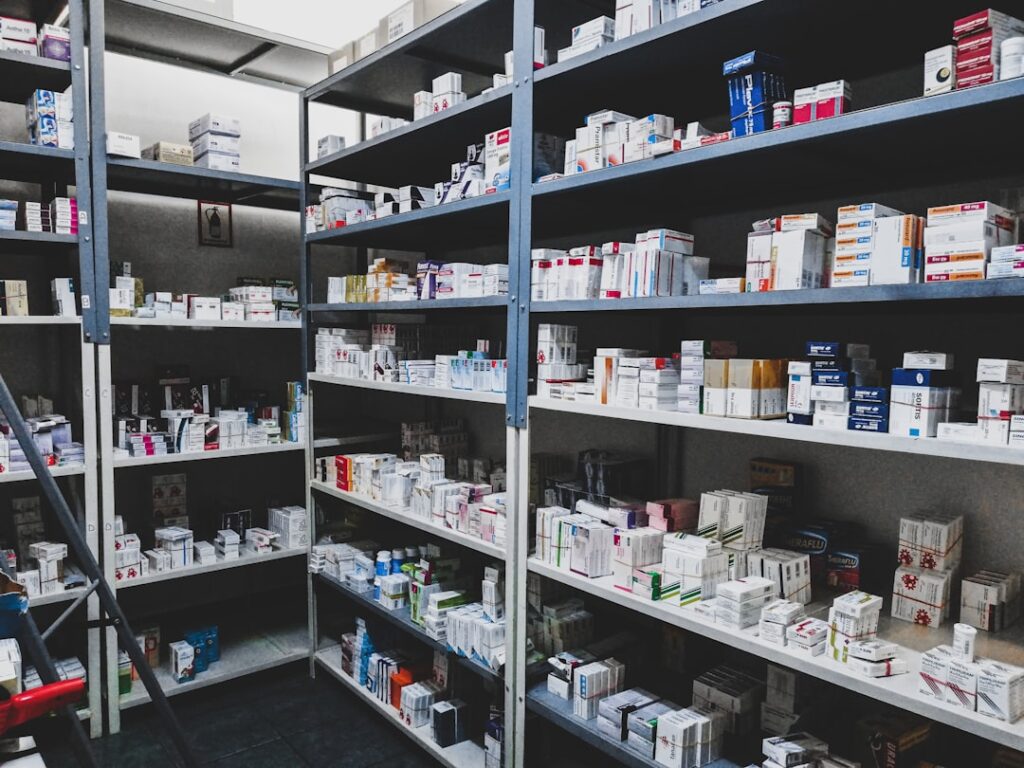
Why Is Proper Medication Storage Important During Hot or Humid Weather?
Storing medicine carefully is essential in places with long, hot summers and high humidity. Many common prescriptions and over-the-counter drugs can lose strength, become less effective, or even unsafe when not kept within their recommended temperature and moisture range. Pills that crumble, capsules that stick, or liquids that become cloudy may indicate damage. This issue is particularly relevant for the Azle, TX community, where temperatures can routinely climb above 90°F and humidity is often high through much of the year.
Keeping medications stored correctly protects your health, maintains the intended effects of treatment, and helps avoid waste.
What Happens if Medications Get Too Hot or Humid?
Heat and moisture both accelerate chemical breakdown. When medications are exposed to extreme conditions:
- Tablets can break down or become powdery.
- Capsules may stick together or melt.
- Creams and ointments may separate or become runny.
- Insulin and some injectable medications may be ruined if not refrigerated.
- Some antibiotics and heart medications are especially sensitive.
Effects of exposure aren’t always visible. Medications may look unchanged but lose their potency and fail to work as needed. This is a particular risk with medicines for chronic conditions, like blood pressure or thyroid medication. Local residents relying on air conditioning to keep homes comfortable should still be cautious—power outages and garage storage can put medicines at risk without warning.
Where Should Medications Be Stored During Hot Texas Months?
The safest spot for most medications is a cool, dry place away from direct sunlight. In many households, the bathroom medicine cabinet is a common choice, but it’s usually not ideal because the steam from showers makes the air humid. Instead, try:
- A bedroom dresser drawer or closet
- A high shelf in a temperature-controlled room
- Inside a sealed box in a dark area, away from windows or exterior walls
Avoid storing medicine in cars, garages, or outside sheds. Temperatures in a parked car in Azle can exceed 140°F, with humidity quickly climbing as well. Even brief exposure to heat, such as leaving a prescription bag in the car while running errands, can affect the medicine inside.
What Can Residents Do During Power Outages?
Power outages are not uncommon during extreme weather and can affect the ability to store temperature-sensitive medications. For refrigerated prescriptions, like some liquid antibiotics or insulin:
- Keep medication in its usual storage location unless a prolonged outage is expected.
- If the outage is forecasted to last over four hours, move medicine to an insulated cooler with ice packs. Do not let the medicine come into direct contact with ice to avoid freezing.
- Track the maximum safe temperature listed on the medication label or accompanying insert, and use a fridge thermometer if available.
If there’s any doubt about the safety of a refrigerated medication after an outage, check the physical quality first and then contact a healthcare provider or local pharmacist for further advice.
How Can Humidity Be Managed in Area Homes?
Managing indoor humidity helps prevent tablets and capsules from absorbing moisture. Here’s how local families can create a better storage environment:
- Use a dehumidifier in rooms where medicines are kept, especially during muggy months.
- Store medication bottles tightly closed, ideally in their original containers with the desiccant packet (the small packet labeled “do not eat” that absorbs moisture).
- Ensure lids are tightly sealed after each use.
- Avoid opening medicine bottles in steamy environments right after showers or when cooking.
Desiccant packets are safe to leave inside medication bottles but should not be removed. These play an important role in controlling moisture.

What Common Mistakes Should Be Avoided?
Even well-intentioned routines can put medications at risk of spoilage:
- Storing medicine on kitchen counters near stoves or sinks exposes them to heat and moisture.
- Moving pills into daily or weekly pill boxes is convenient but shouldn’t be done far in advance during hot weather—original bottles offer better protection.
- Forgetting to check expiration dates; heat and humidity can shorten a medicine's usable time.
If a medication changes in color, smell, or texture—or if it’s unclear whether it’s still safe—do not use it until guidance is provided by a professional.
Are There Medications That Need Special Handling in the Region?
Some drugs are particularly sensitive to temperature and humidity, including:
- Insulin and certain injectable hormones (must be refrigerated)
- Some eye drops and ear drops
- Nitro tablets for chest pain (very heat-sensitive)
- Antibiotics in liquid suspension
- Inhalers, which canisters may be affected by heat
Residents who use these drugs should keep backup ice packs or portable insulated cases, especially if travel or power disruptions are expected.
How Should Old or Damaged Medicines Be Disposed of Safely?
Damaged, expired, or unused medicines should never be flushed down the toilet or thrown in the trash where children or pets could access them. The community commonly uses medication disposal programs or drug take-back days. If these aren’t immediately available, mix medication with a substance like coffee grounds or cat litter before sealing in a bag and discarding it in household trash to reduce misuse risk.
What Should Travelers and Outdoor Workers Know?
Those spending time outdoors or who travel with medications—such as area construction workers, delivery drivers, or families with outdoor activities—should use insulated pouches and keep their medicines out of direct sunlight. Cold packs can help, but avoid placing medicine directly against the ice, which can freeze sensitive medications.
If daily medications must be kept in a vehicle, try coordinating schedules to limit the time they’re exposed to outdoor temperatures. Plan ahead during summer months to prevent avoidable exposure.