

 See My Latest Article on HelloNation

Residents in Azle, TX often notice that a prescription refill looks different from the previous bottle or costs less than expected. In many cases, the medication is a generic version of a brand-name drug. The appearance, manufacturer, or price may change, but an FDA-approved generic is required to provide the same clinical benefit as its brand-name counterpart. ([fda.gov](https://www.fda.gov/drugs/generic-drugs/generic-drug-facts?utm_source=openai))
What is the difference between a brand-name drug and a generic drug?
A brand-name drug is the original medication developed and marketed by a pharmaceutical company. A generic drug is a later version made after the original drug’s patent or market exclusivity allows competition.
The generic must contain the same active ingredient—the part of the medicine that produces the intended effect. It must also have the same:
- Strength
- Dosage form, such as a tablet, capsule, liquid, cream, or injection
- Route of administration
- Intended use
- Quality and stability standards
- Clinical effect and safety profile
For example, a brand-name tablet and its generic counterpart may have different shapes or markings, but they are designed to deliver the same medication in the same strength and manner. ([fda.gov](https://www.fda.gov/drugs/generic-drugs/generic-drug-facts?utm_source=openai))
Are generic drugs as safe and effective as brand-name drugs?
Yes. FDA-approved generic drugs must meet the same standards for safety, effectiveness, strength, quality, and performance as their brand-name counterparts. Before approval, manufacturers must show that the generic contains the same active ingredient and reaches the body at a similar rate and amount. This process is called bioequivalence. ([fda.gov](https://www.fda.gov/drugs/generic-drugs/generic-drugs-questions-answers?utm_source=openai))
Bioequivalence does not mean that every physical feature must be identical. It means the medication is expected to work in the body in the same way. The FDA also inspects manufacturing facilities and monitors both brand-name and generic medicines after approval for potential safety or quality problems. ([fda.gov](https://www.fda.gov/drugs/generic-drugs/what-approval-process-generic-drugs?utm_source=openai))
A lower price does not mean a generic is weaker or less carefully regulated. Generic manufacturers generally do not have to repeat the original developer’s lengthy animal and human studies. Instead, they rely on the established safety and effectiveness of the approved brand drug and must demonstrate that their product is therapeutically equivalent. ([fda.gov](https://www.fda.gov/drugs/generic-drugs/generic-drug-facts?utm_source=openai))
Why do generic medicines usually cost less?
Brand-name drug development can require years of laboratory work, clinical research, regulatory review, and other expenses. Once a generic version becomes available, its manufacturer does not need to repeat all of that original research.
Competition also affects price. Several manufacturers may produce the same generic medicine, which can lower the amount paid by insurance plans and patients. The actual price still depends on the medication, supply, insurance coverage, deductible, pharmacy contract, and whether a generic is available. ([fda.gov](https://www.fda.gov/drugs/generic-drugs/generic-drug-facts?utm_source=openai))
A generic may not always be cheaper at every point of purchase, particularly when a brand-name product has a temporary discount or a specific insurance arrangement. The price shown at one refill should not be used as the only measure of whether the medication is brand or generic.
Why does a generic pill look different?
Generic manufacturers may use different colors, shapes, coatings, flavors, or inactive ingredients. Trademark rules also prevent a generic from copying certain visual features of the brand product.
Inactive ingredients do not provide the main therapeutic effect. They may include dyes, binders, fillers, preservatives, or coating materials. In most cases, these differences do not affect how the medicine works. However, a small number of people may have problems with a particular dye, filler, sweetener, or other inactive ingredient. ([fda.gov](https://www.fda.gov/drugs/generic-drugs/generic-drugs-questions-answers?utm_source=openai))
A changed appearance should not automatically be treated as a medication error. Still, compare the prescription label with the previous bottle if the tablet, capsule, or liquid looks unfamiliar. Ask a pharmacist to verify the medication before taking it if the name, strength, directions, or appearance seems inconsistent.
Can switching between manufacturers cause problems?
Most people can use FDA-approved generic products from different manufacturers without a clinically meaningful change. Pharmacies may receive medications from different manufacturers because of supply, purchasing, insurance, or distribution factors.
Some people may notice differences in taste, texture, tablet size, or tolerance. This can be more noticeable with medications that have a narrow therapeutic index, medicines requiring very consistent blood levels, or products where small changes in absorption may matter. The concern is not that generics are generally unsafe; rather, certain treatments require closer monitoring when the product or manufacturer changes.
Do not stop a medication or change the dose based only on a different tablet appearance. Ask whether the active ingredient and strength are unchanged, and report new symptoms or concerns promptly.
Does Texas allow a pharmacist to substitute a generic?
Texas permits generic substitution under applicable prescription and pharmacy requirements. A prescription label must indicate when a generic has been substituted for a prescribed brand-name product. Texas residents also have the right to refuse a generic substitution, although insurance plans may charge more or may not cover the brand-name version in the same way. ([pharmacy.texas.gov](https://www.pharmacy.texas.gov/consumer/broch3.asp?utm_source=openai))
The practical question is often not simply, “Is this generic safe?” It may also be:
- Does the prescription allow substitution?
- Will insurance cover the brand-name version?
- Is the generic available?
- Does the patient have an allergy or sensitivity to an inactive ingredient?
- Is this a medication that requires consistent monitoring?
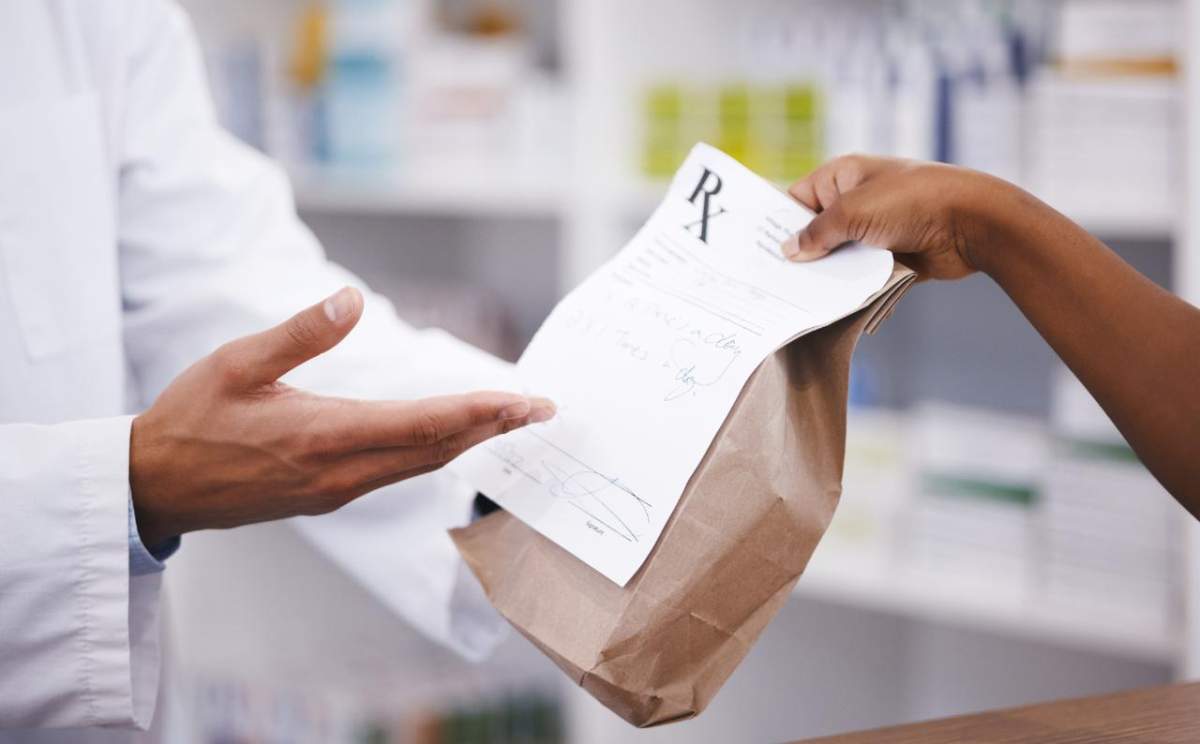
A pharmacist can explain what changed and whether the active ingredient, strength, and directions remain the same.
Are all medicines available as generics?
No. Some newer medications remain available only as brand-name products while patents or legal exclusivities are in effect. Other medicines may have a generic available in one dosage form but not another.
A generic may also be unavailable temporarily because of manufacturing delays, recalls, supply disruptions, or increased demand. If a prescription suddenly changes from generic to brand, or the reverse, the reason may be availability rather than a change in treatment.
What should residents check at a refill?
Before taking a refill, check the medication name, strength, directions, and quantity against the prescription instructions. This is particularly useful in households where several people take daily medicines or where tablets are stored in the same area.
Keep medications in their original labeled containers when possible. In the heat and humidity that can occur in North Texas, avoid storing medicines in places exposed to excessive heat, moisture, or direct sunlight, such as a vehicle, bathroom cabinet, or outdoor storage area. Follow the product label for storage requirements.
If a medication looks different, the label is unclear, or a new side effect appears:
- Pause before taking an uncertain dose.
- Compare the label with the prior bottle or medication list.
- Ask the dispensing pharmacist to verify the product.
- Do not double a dose to make up for a missed or uncertain dose.
- Seek urgent medical help for severe breathing difficulty, facial swelling, fainting, chest pain, or other emergency symptoms.
For most prescriptions, the key difference between brand and generic is the manufacturer, appearance, and cost—not the intended medical effect. Understanding the active ingredient and checking the label can make medication changes easier to recognize and safer to manage.